You might hop onto mega corporations which are so huge they are a household name such as feeBay and maybe even badWill. But had you considered holographic goods?
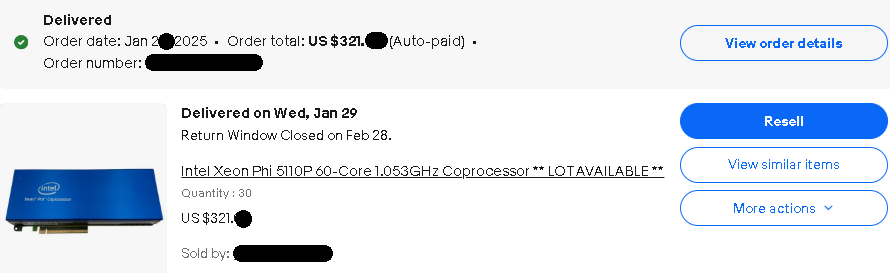
Holographic goods are items that are redundantly listed more than once. For example, I can list a car that I only have one of in two places. Works great, but what happens if two buyers buy one car at the same time? Well then it becomes a problem on the micro.
But it’s also a problem on the macro. On the macro, millions of goods are redundantly listed every day, and when this happens it creates artificial non-scarcity. There’s only 100 of a widget, for example, but it looks like there are thousands or even tens-of-thousands of this item actually available.
So when there is a run on certain goods which are more scarce than they seem, the price shoots up. Or when an item that should be priced as scarce, I cannot sell that item at its fair and scarce value because there are 100 other Holographic Goods out on the market.
And this artificial supply and demand curve isn’t just restricted to used consumer goods. It can extend to any commodity - real, and conceivable even also digital.
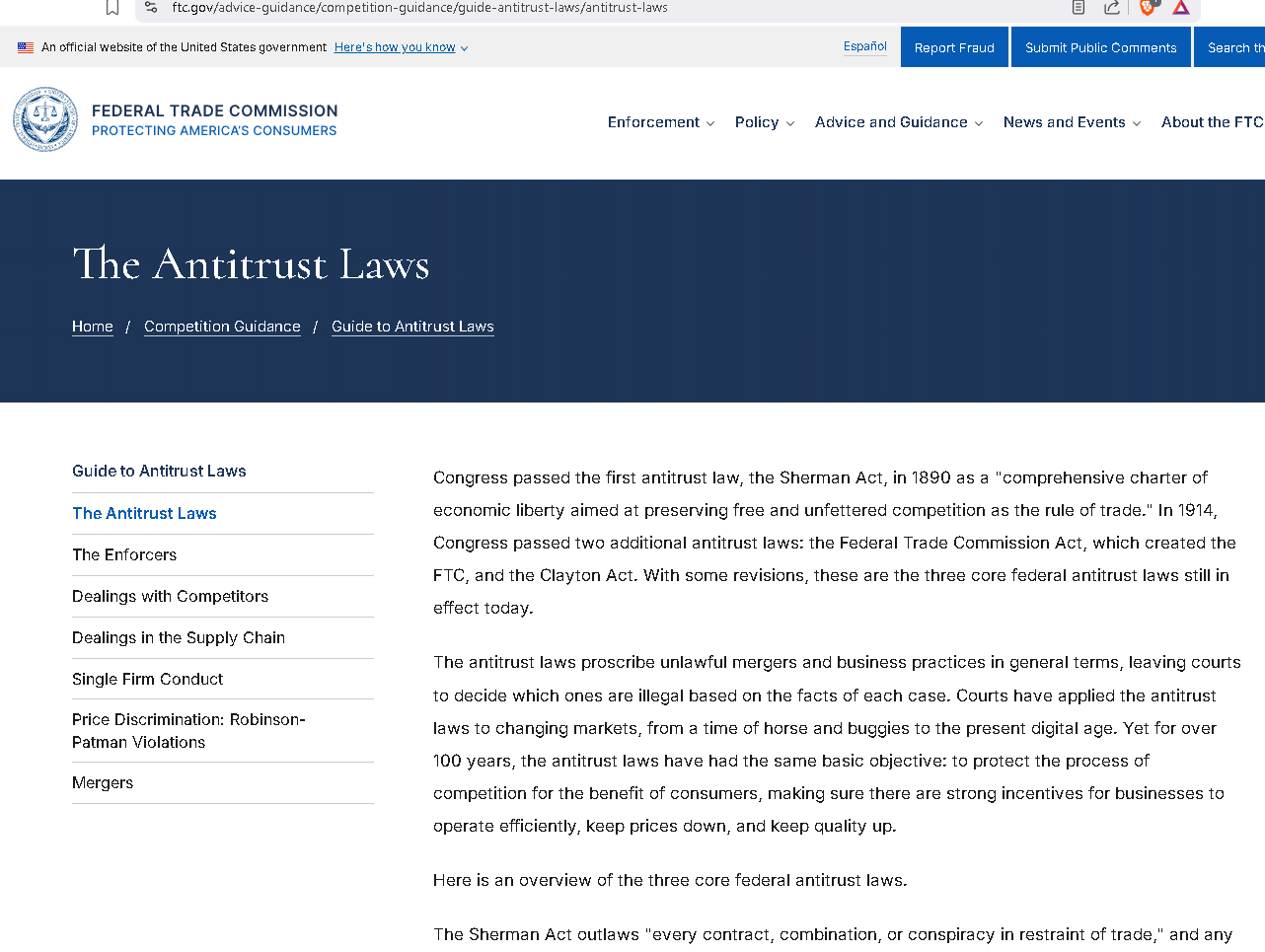
This is yet another problem with an unregulated market. When we get huge players gobbling up market share to where there is only one marketplace, and when that marketplace invariably becomes another feeBay, the compounding effects are no longer possible to unsee.
And some would contend this is by design.
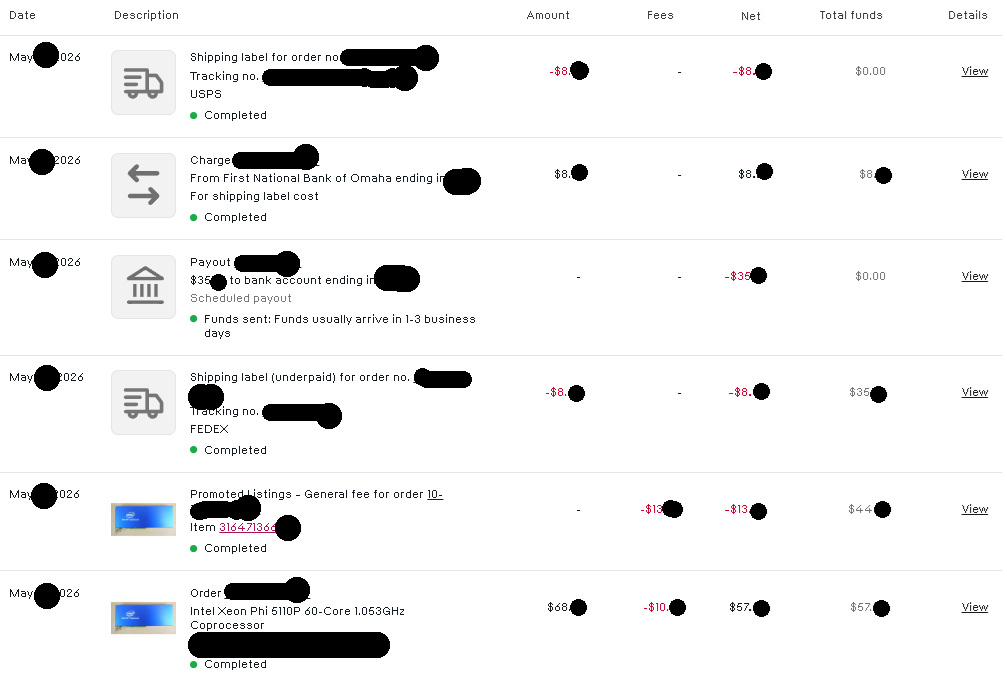
My family is big on thrift. We have been known to flip gently used consumer goods and clothes. We’ve watched mega corporations posing as charity like BadWill slowly increase prices, kick out good employees who try to do right by their customers on pricing, rewarding anything that makes it harder for the poor trying to make a buck, or simply to clothe themselves and furnish their homes with used appliances, furniture, goods, etc.
So we can observe that this roll-out we had seen since prior to 2020 extended its evil hand even also to used goods. Used goods are the little man’s ticket out, and these exits were also secured long since. By design. Not accident.
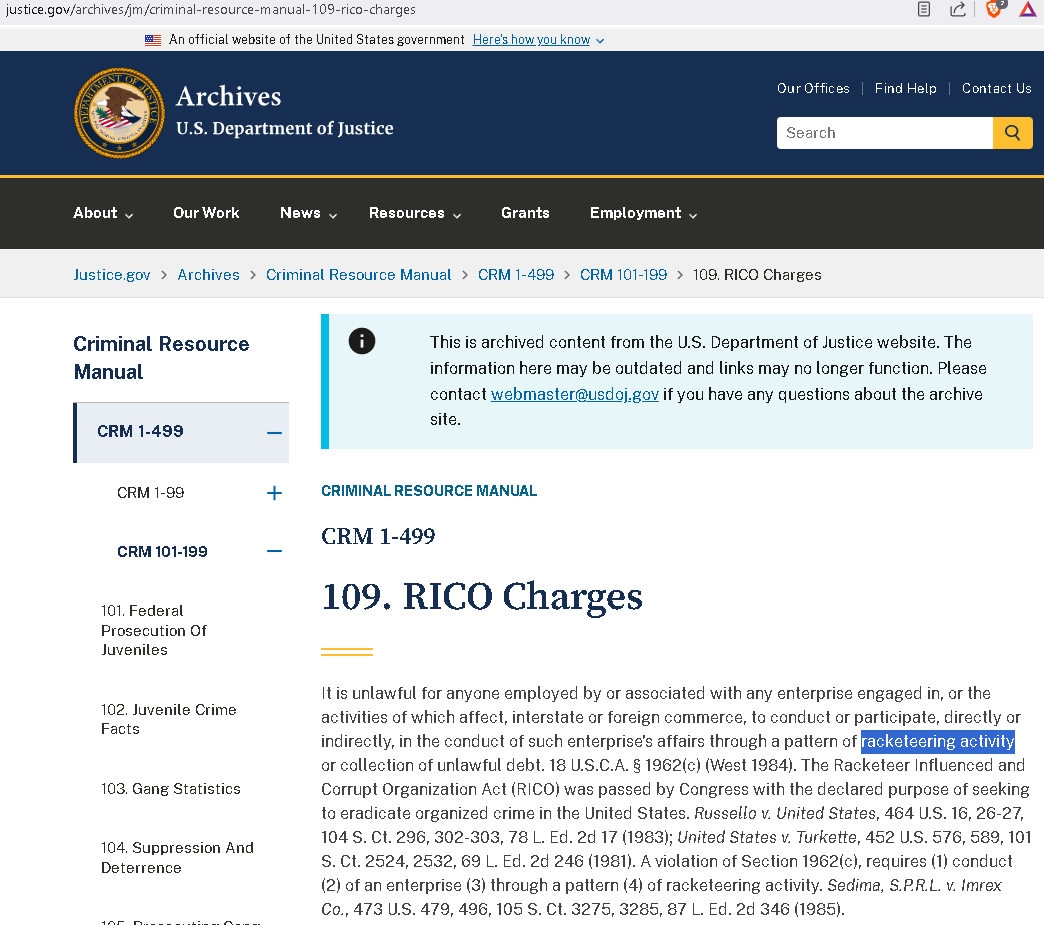
Oh and what’s with these corporations kicking people out who are on disability? Why are mega-corporations temporally immunes to persecution for civil rights violations? This is criminal. F@#$ 1984.