The following was partially generated by ChatGPT. It was not been fully cleansed for error. Therefore not responsible for error. As usual, the opinions of the text generator (ChatGPT in this context) are not necessarily the opinions of Josef K Media, nor of the author.
United States v. Thomas, 788 F.2d 1252 (7th Cir. 1986)
https://law.justia.com/cases/federal/appellate-courts/F2/788/1250/300551/
Proposed Text (1909)
Congress’s proposed text (Senate Joint Resolution 40, 1909) was: The Congress shall have power to lay and collect taxes on incomes, from whatever source derived, without apportionment among the several States, and without regard to any census or enumeration. Benson and court opinions (e.g., United States v. Thomas, 788 F.2d 1252 (7th Cir. 1986)) document these as the most notable variations (often called “scrivener’s errors” or trivial by courts):
Illinois (ratified March 1, 1910): “The Congress shall have power to lay and collect taxes on incomes, from whatever source derived, without apportionment among the several states, and without regard to any census or renumeration.” (Key change: “renumeration” instead of “enumeration”; also “states” not capitalized.)
Missouri (ratified March 16, 1911): “The congress shall have power to levy and collect taxes on incomes, from whatever source derived, without apportionment among the several states, and without regard to any census or enumeration.” (Key change: “levy” instead of “lay”; “congress” not capitalized; “states” not capitalized.)
Washington (ratified January 26, 1911): “The Congress shall have power to lay and collect taxes on income, from whatever source derived, without apportionment among the several States, and without regard to any census or enumeration.” (Key change: “income” singular instead of “incomes” plural; other minor capitalization/punctuation likely.)
scrivener’s Errors? Really?
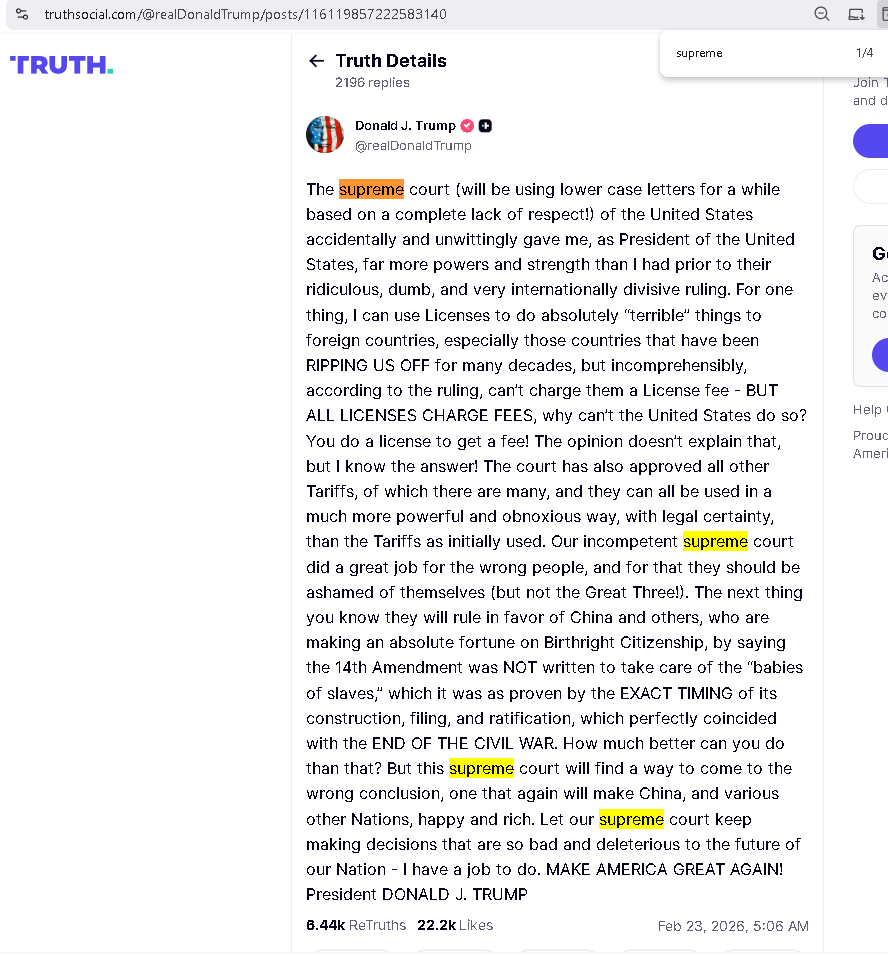
Source: Truth Social
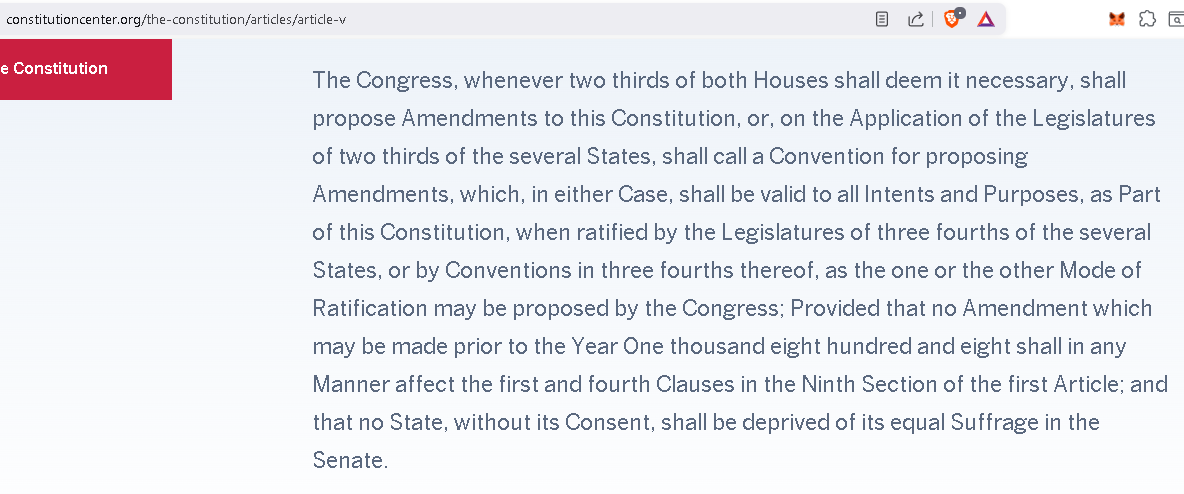
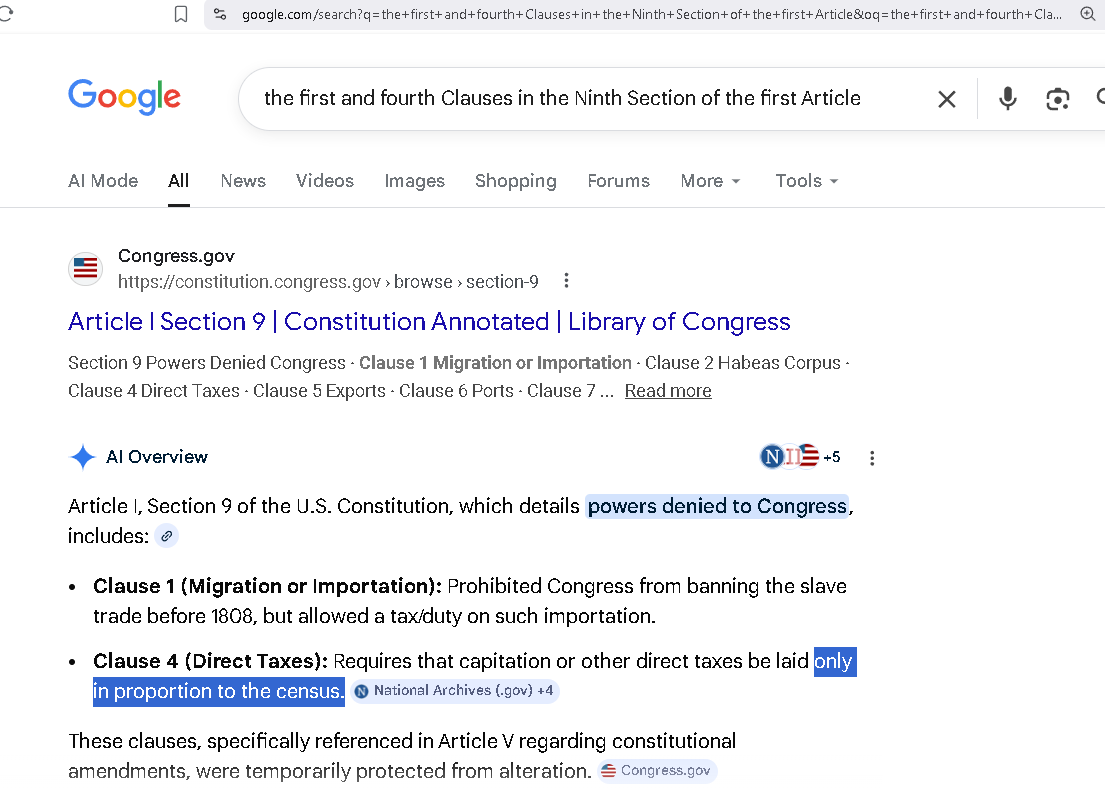
Temporarily? Temporarily?!
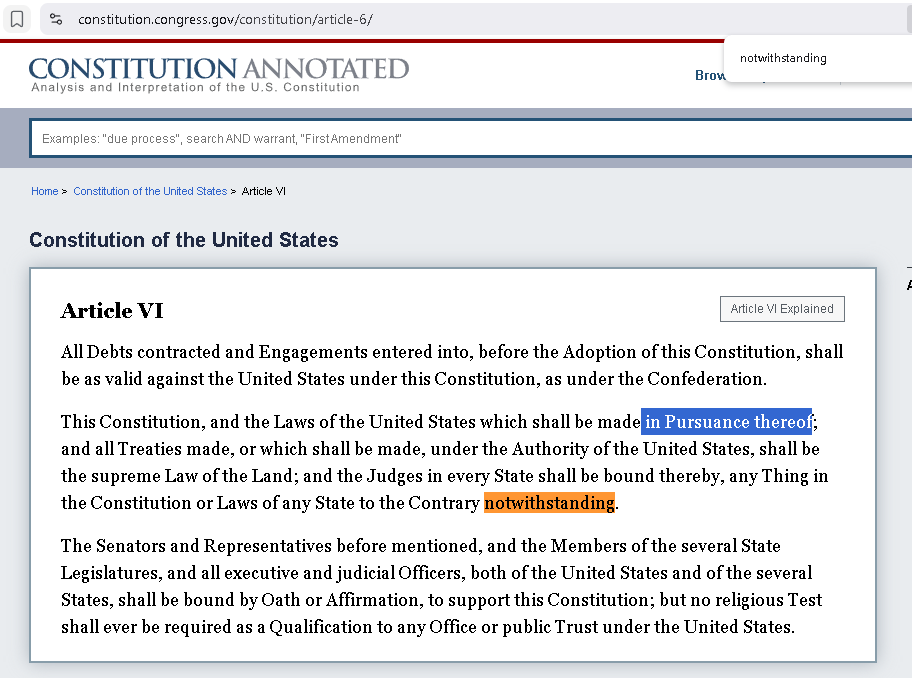
https://constitution.congress.gov/constitution/article-6/
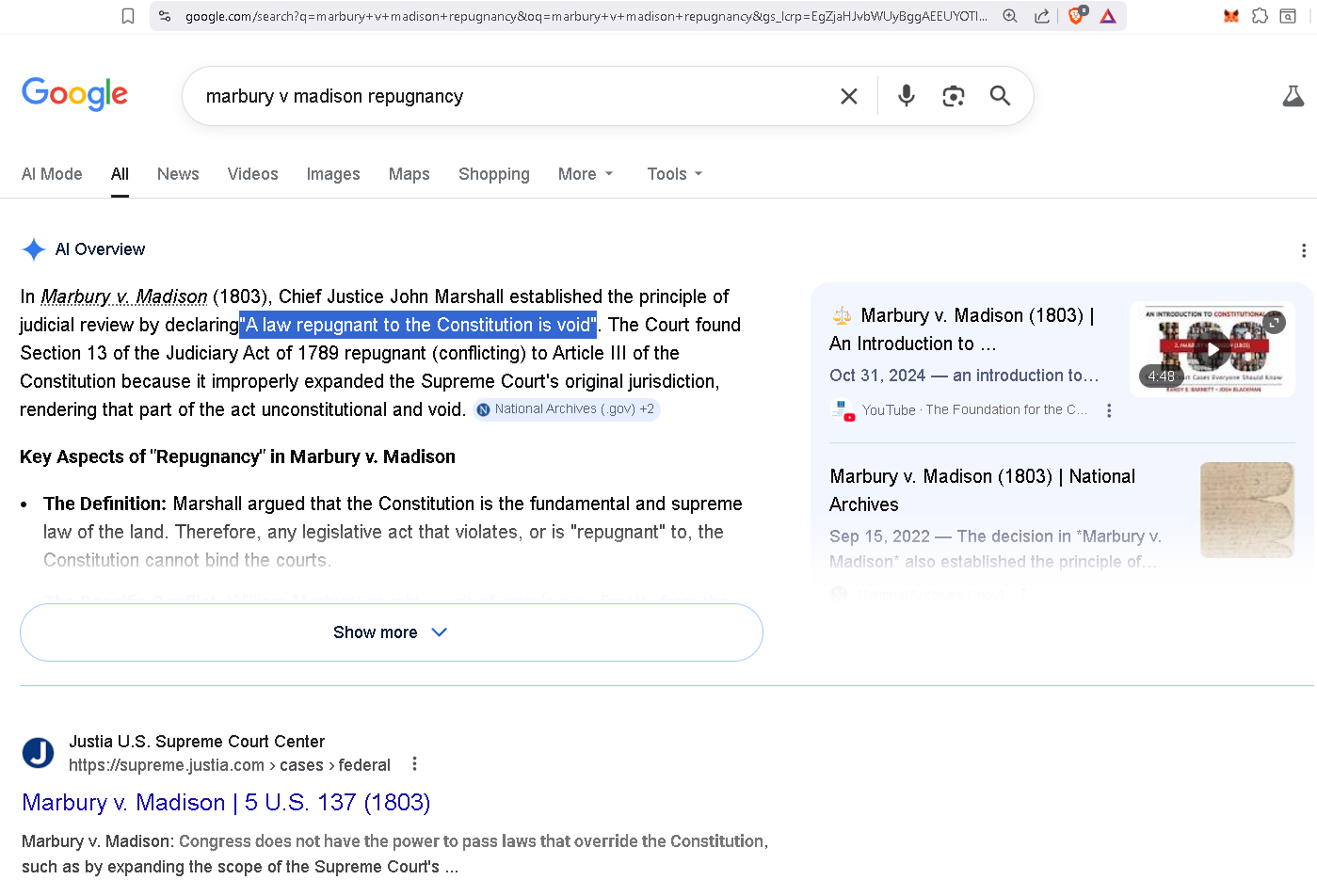
Source
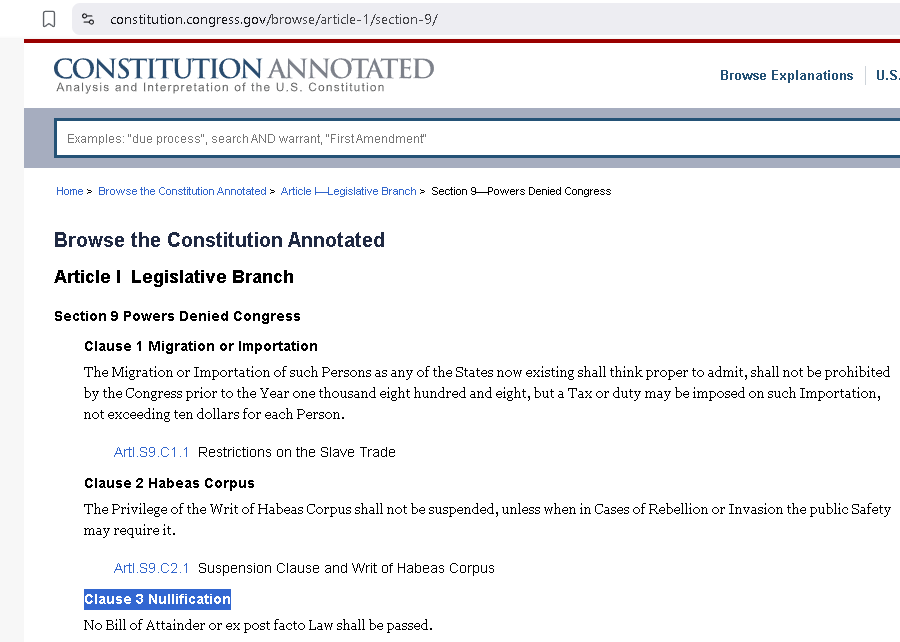
https://constitution.congress.gov/browse/article-1/section-9/
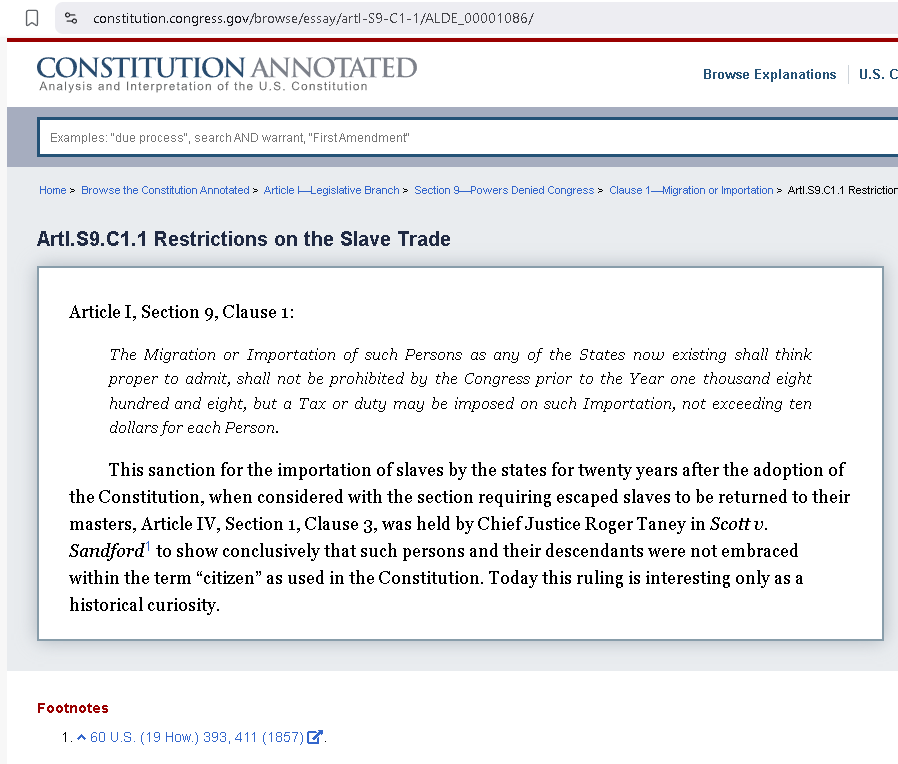
Dred Scott
More Article I Section 9 Powers Denied Congress
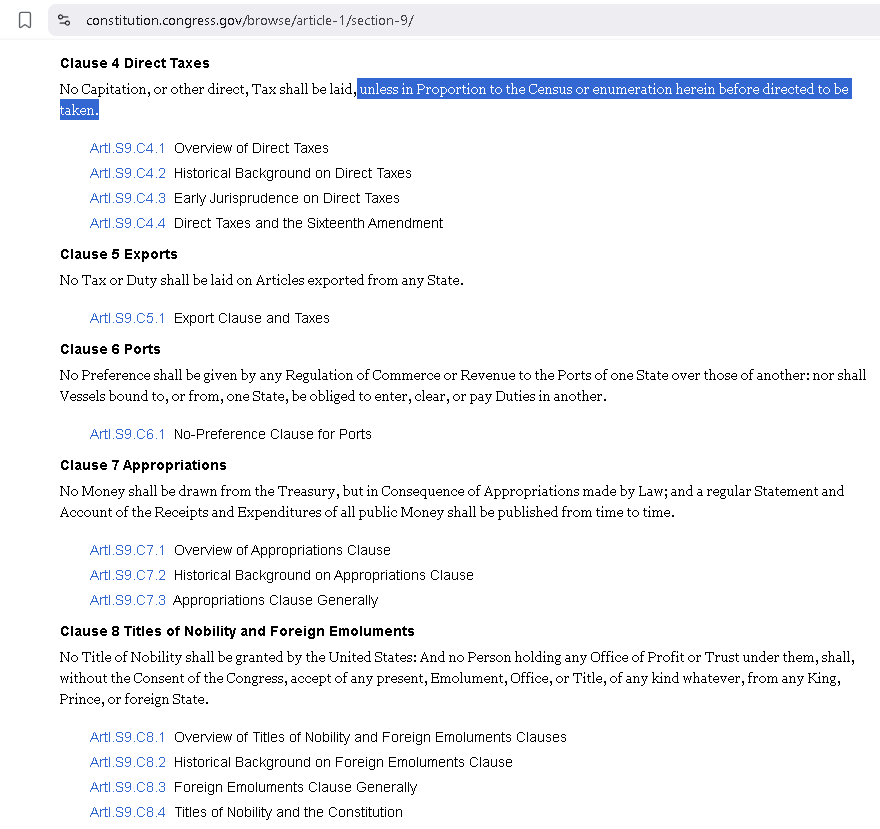
See also:
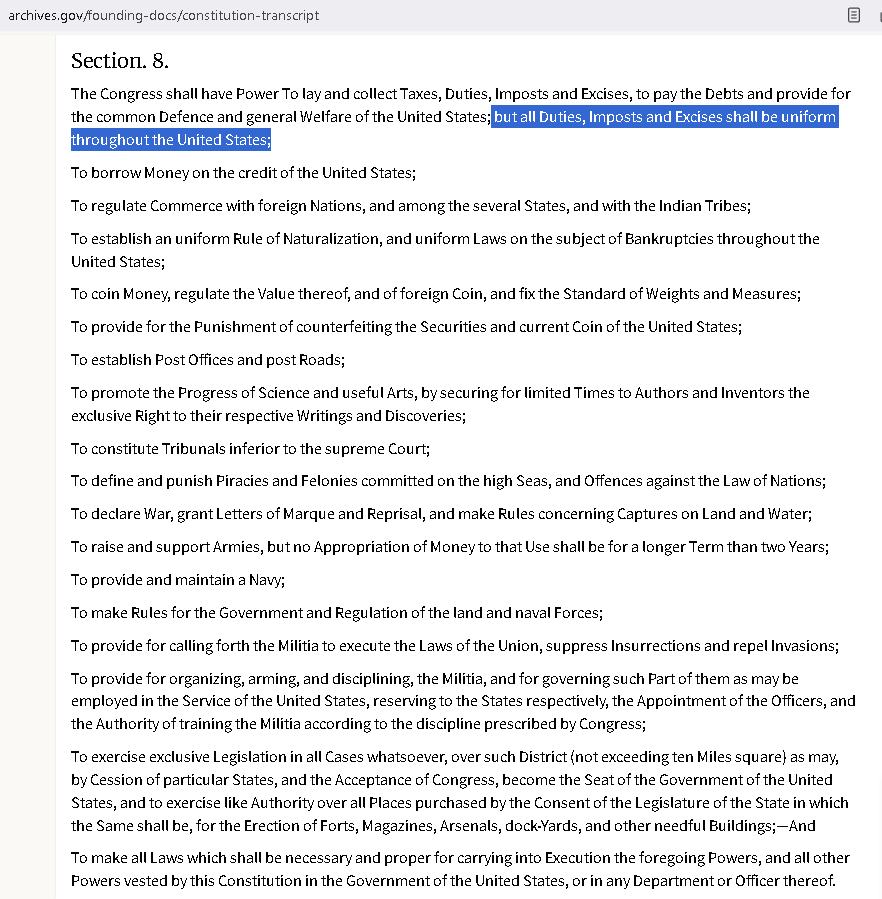
https://www.archives.gov/founding-docs/constitution-transcript
1) Proposed Text (1909)
“The Congress shall have power to lay and collect taxes on incomes, from whatever source derived, without apportionment among the several States, and without regard to any census or enumeration.”
Proposed by Congress in 1909; proclaimed ratified in 1913.
2) Illinois (March 1, 1910)
Variation:
- “renumeration” instead of “enumeration”
- “states” not capitalized
Judicial Treatment:
Courts have treated this as a classic scrivener’s error—a misspelling that does not alter substantive meaning. Capitalization differences are legally irrelevant.
In United States v. Thomas, the Seventh Circuit specifically addressed such variations and held they did not affect the validity of ratification.
Why courts reject the challenge:
- The meaning is unmistakable.
- No substantive alteration of taxing power.
- Longstanding precedent rejects hyper-technical challenges.
3) Missouri (March 16, 1911)
Variation:
- “levy” instead of “lay”
- Lowercase “congress” and “states”
Judicial Treatment:
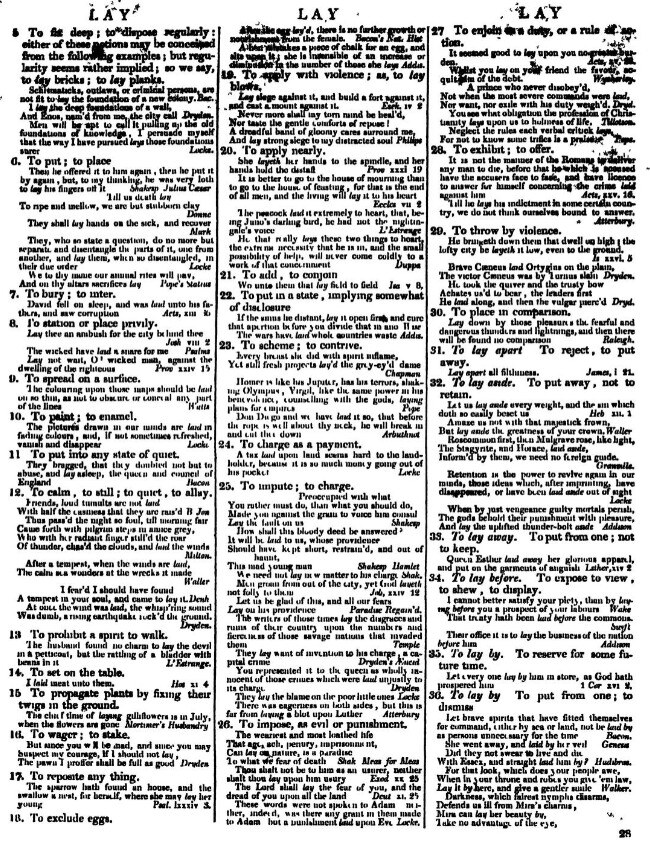
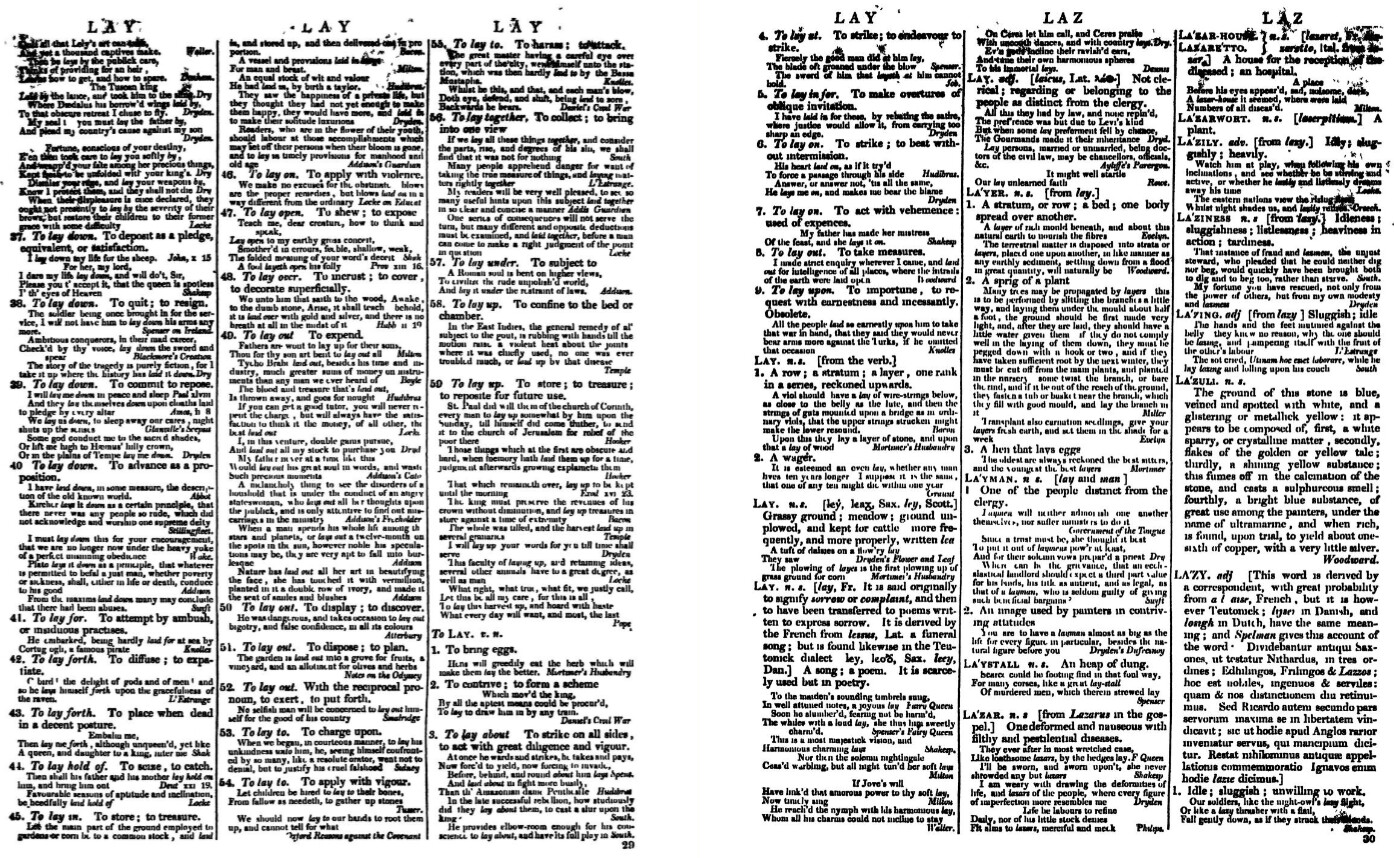
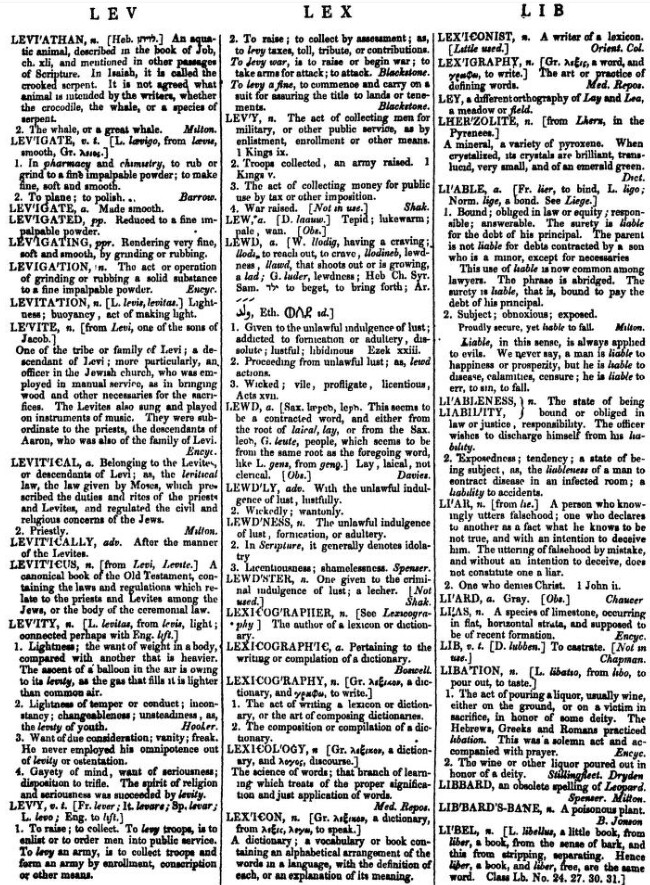
“Lay and collect” vs. “levy and collect” has been treated as semantically equivalent in taxation law. The Constitution itself often uses “lay” and “levy” interchangeably in taxation contexts.
Courts have consistently ruled this difference does not change the grant of power.
Samuel Johnson’s Vol II (1825)
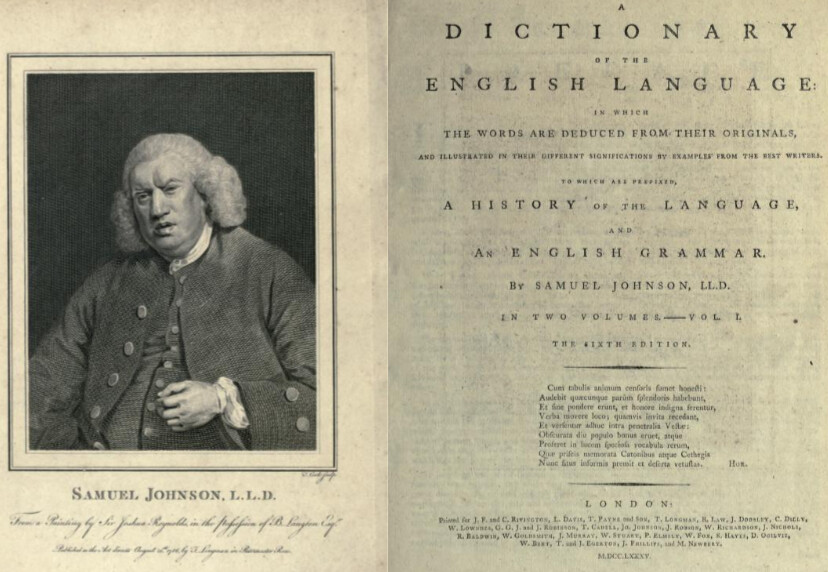
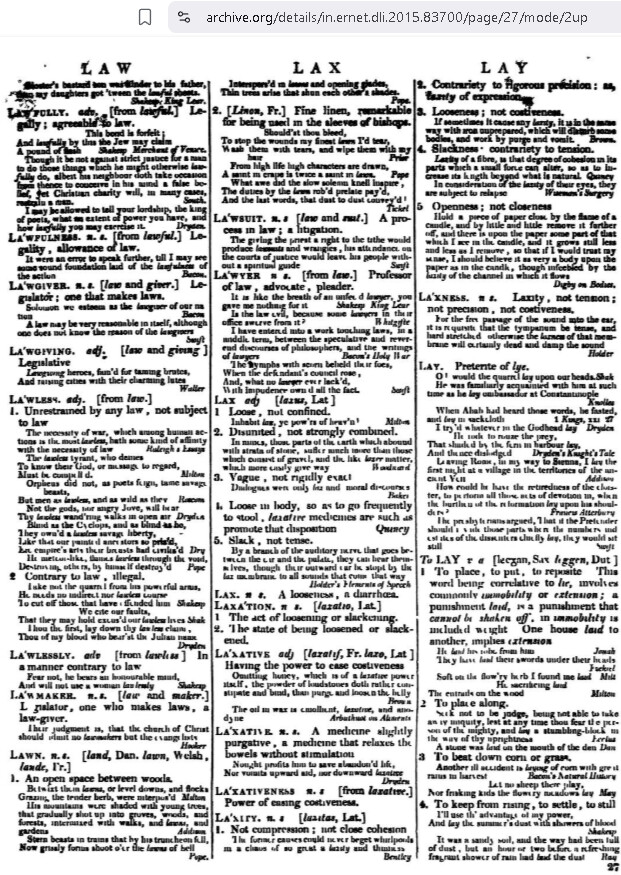
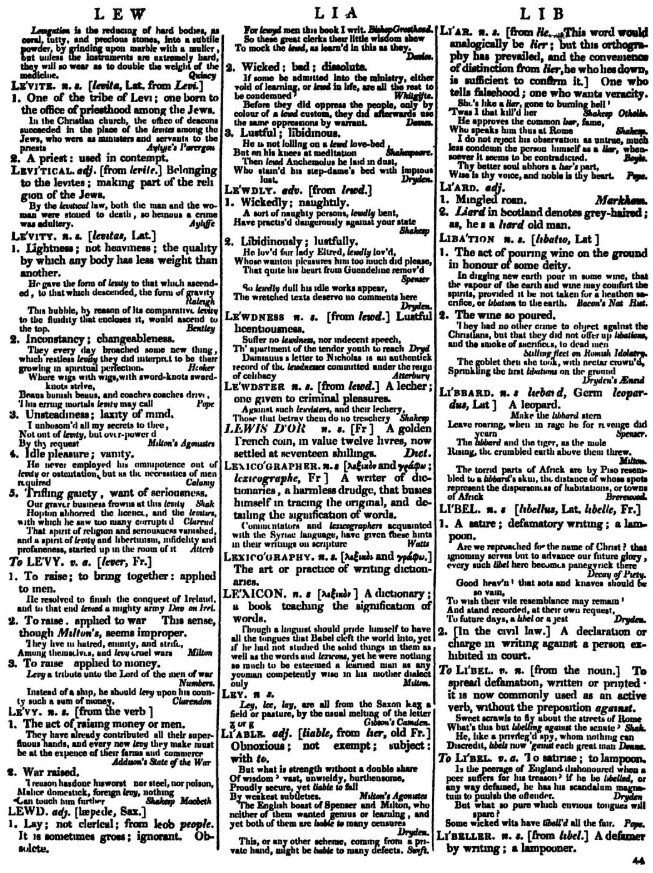
Noah Webster’s Vol. II (1832)
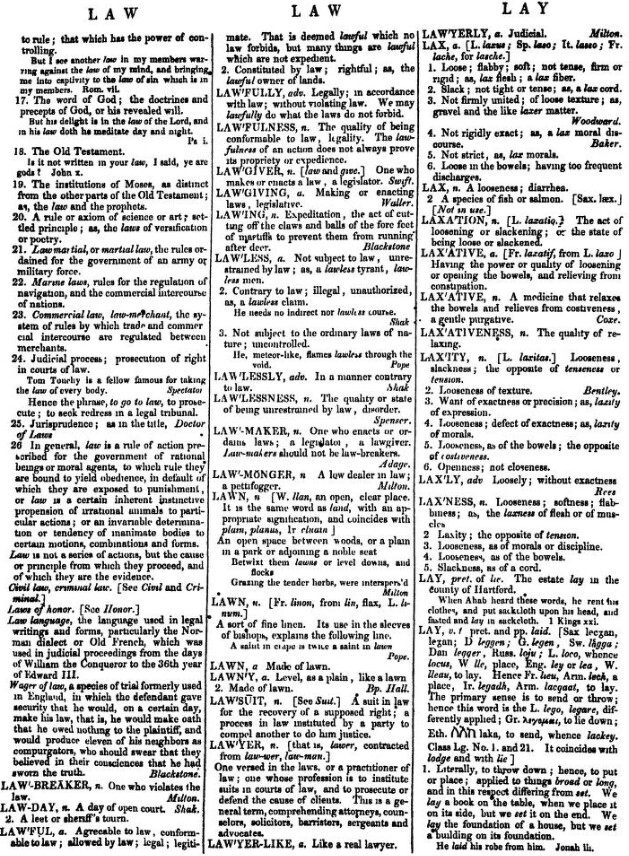
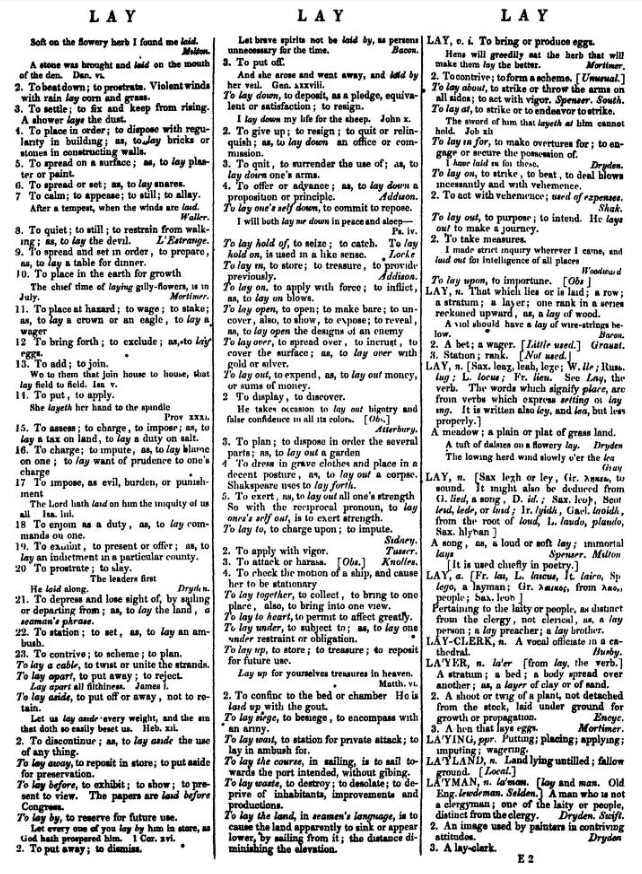
4) Washington (January 26, 1911)
Variation:
- “income” (singular) instead of “incomes” (plural)
Judicial Treatment:
Courts have deemed this grammatically insignificant because “income” in legal usage is commonly treated as a mass noun. The singular does not narrow the scope of taxable subject matter.
Again, this was addressed in cases like United States v. Thomas, which rejected arguments that such deviations invalidated ratification.
The Controlling Doctrine
Two Supreme Court precedents are key:
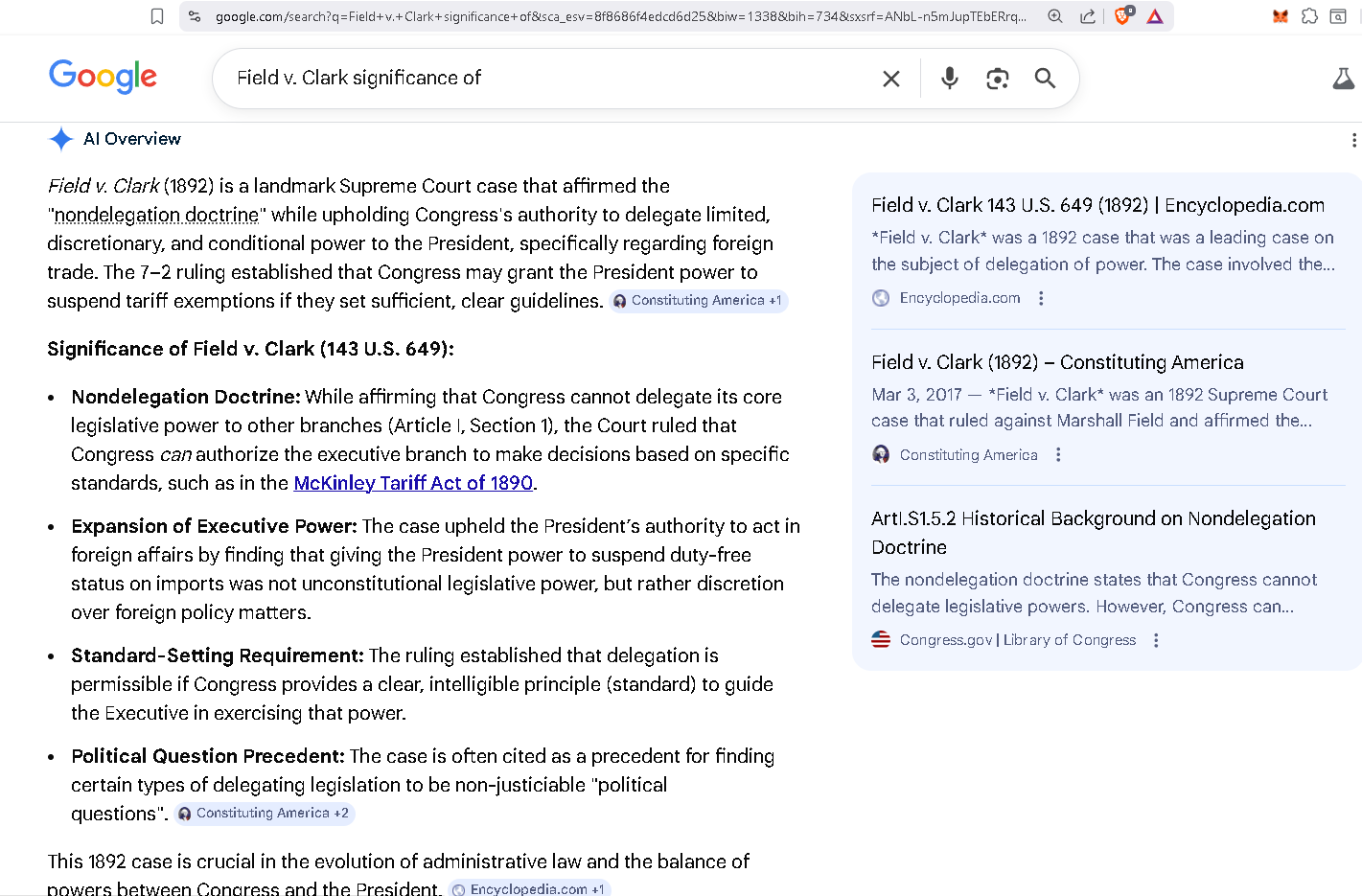
1) Field v. Clark
Source
Established the enrolled bill rule: once an official act is authenticated by the proper officials, courts will not look behind it to question procedural irregularities.
https://supreme.justia.com/cases/federal/us/143/649/
However, courts may still invalidate or strike down provisions (or the entire act) on substantive constitutional grounds that appear on the face of the enrolled bill itself, such as:
- Violations of the Origination Clause (Art. I, § 7, cl. 1) — as in United States v. Munoz-Flores (1990), where the Court held it could review whether a bill originated in the House when required, without impeaching the enrollment process per se.
- Other facial constitutional defects (e.g., bill of attainder, ex post facto, impairment of contracts, or lack of bicameralism/presentment if evident from the text or authentication).
In rare practical cases (e.g., the Deficit Reduction Act of 2005 challenges), lower courts have applied the rule strictly and refused to invalidate laws despite alleged enrollment/text discrepancies, with the Supreme Court denying certiorari.
- United States v. Munoz-Flores, 495 U.S. 385 (1990): Core case for the Origination Clause example. The Supreme Court held that courts can review whether a statute violates the Origination Clause (Art. I, § 7, cl. 1) based on its facial characteristics and legislative history, without impeaching the enrolled bill’s authentication process. The opinion explicitly distinguishes and limits the enrolled bill rule from Field v. Clark (143 U.S. 649) for this type of substantive constitutional claim. Full opinion: https://tile.loc.gov/storage-services/service/ll/usrep/usrep495/usrep495385/usrep495385.pdf (See especially pp. 393–397, discussing justiciability and the rule’s limits; the Court found no violation but affirmed review authority.)
- General facial constitutional defects (e.g., bill of attainder, ex post facto laws, impairment of contracts, or evident lack of bicameralism/presentment from the text or authentication): These fall under standard judicial review principles from Marbury v. Madison, 5 U.S. (1 Cranch) 137 (1803), and subsequent cases. Enrollment does not shield a statute from facial invalidity under constitutional provisions like Art. I, § 9–10 (bills of attainder, ex post facto, Contracts Clause) or Art. I, § 7 (presentment/bicameralism if apparent on the face). No single case overrides enrollment for such defects; courts routinely strike down laws on facial grounds (e.g., Calder v. Bull, 3 U.S. 386 (1798) for ex post facto; Nixon v. Administrator of General Services, 433 U.S. 425 (1977) for bills of attainder; U.S. Trust Co. v. New Jersey, 431 U.S. 1 (1977) for Contracts Clause).
- Deficit Reduction Act of 2005 challenges (Pub. L. 109-171; lower courts strictly applied the enrolled bill rule despite alleged enrollment/text discrepancies due to an engrossment error; Supreme Court denied certiorari):
- Congressional Research Service Report RS22507 (Dec. 13, 2007), “Constitutionality of the Deficit Reduction Act of 2005: Litigation” by Thomas J. Nicola: Summarizes multiple lawsuits (e.g., Public Citizen v. Clerk, U.S. District Court for D.C., 451 F. Supp. 2d 109 (D.D.C. 2006), aff’d 486 F.3d 1342 (D.C. Cir. 2007), cert. denied 128 S. Ct. 823 (2007); OneSimpleLoan v. Spellings, 496 F.3d 197 (2d Cir. 2007), cert. denied; Zeigler v. Gonzales, No. 06-0080-CG-M (S.D. Ala. 2007); Conyers v. Bush, No. 06-11972 (E.D. Mich. 2006)). All dismissed under Field v. Clark’s enrolled bill rule; appeals affirmed or cert. denied. Available at: Constitutionality of the Deficit Reduction Act of 2005: Litigation - EveryCRSReport.com
- CRS Report RL34480 (updated 2017), “Enrollment of Legislation: Relevant Congressional Procedures”: Discusses the DRA enrollment error and notes courts rejected challenges via the enrolled bill rule; Supreme Court denied cert. in appealed cases. Available at: https://www.congress.gov/crs-product/RL34480
These sources confirm no broad exceptions to the enrolled bill rule for procedural irregularities, but allow review for facial substantive defects like Origination Clause violations (Munoz-Flores).
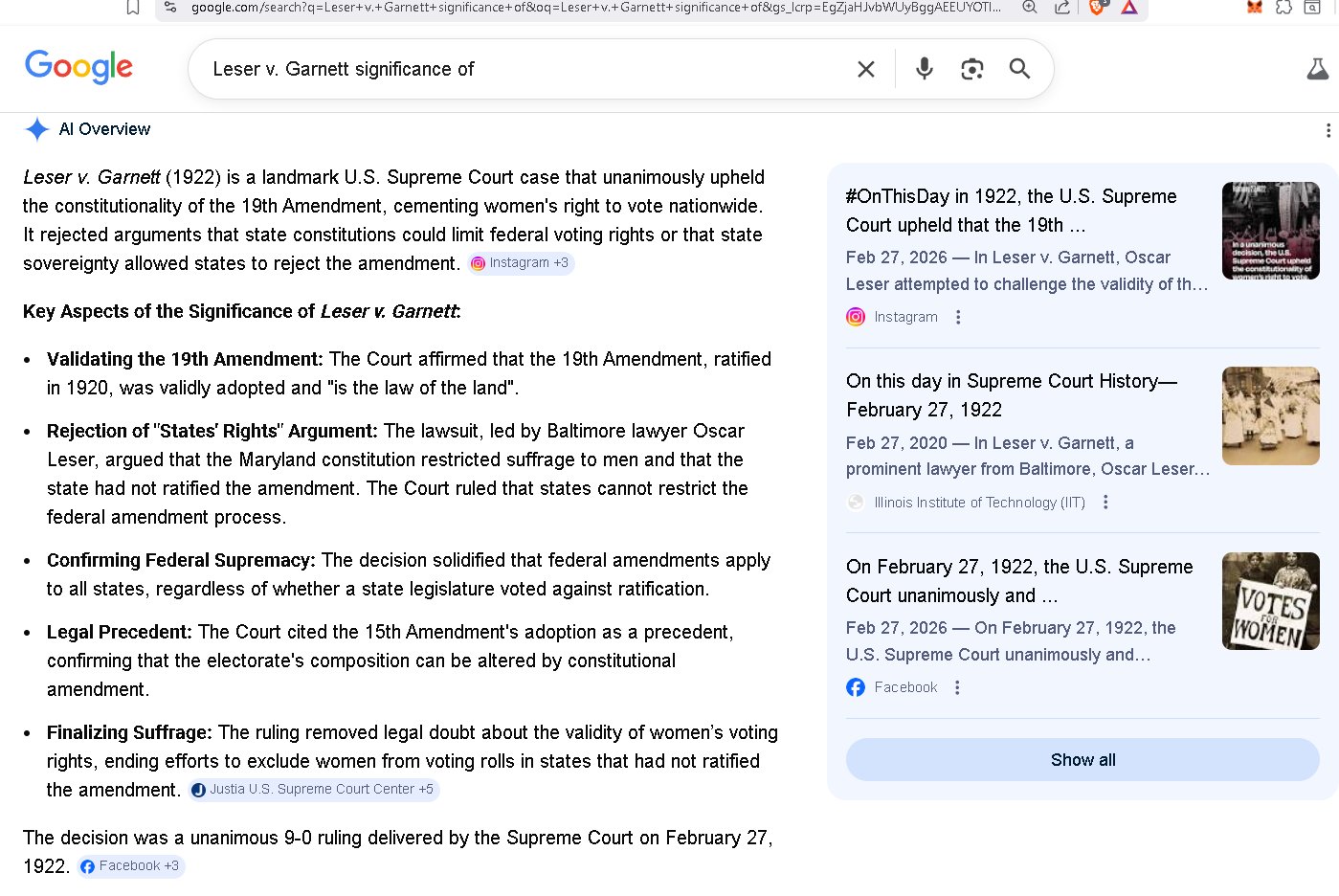
2) Leser v. Garnett
Source
Held that once the Secretary of State proclaims an amendment ratified, courts treat it as valid and do not entertain challenges based on alleged irregularities in state ratifications.
https://supreme.justia.com/cases/federal/us/258/130/
However, courts distinguish procedural enactment/ratification irregularities from substantive facial constitutional defects.
The enrolled bill rule (from Field v. Clark, 1892) and its extension to amendments (Leser v. Garnett, 1922) make official certification conclusive, barring judicial inquiry into alleged procedural flaws (e.g., quorum issues, non-identical passages, state-level irregularities) behind the enrolled text or proclamation. This ensures finality.
However, courts can still review and invalidate provisions—or the entire act/amendment—on substantive constitutional grounds that appear on the face of the enrolled/enrolled bill itself, without impeaching the authentication process. Examples include:
- Origination Clause violations (Art. I, § 7, cl. 1): United States v. Munoz-Flores (495 U.S. 385, 1990) held that courts may determine whether a revenue bill originated in the House, as required. This is justiciable and does not rely on extrinsic evidence to contradict enrollment; the Court explicitly limited the enrolled bill rule’s scope here, focusing on facial compliance rather than legislative process details.
- Other clear facial defects (e.g., bill of attainder, ex post facto laws, impairment of contracts under Art. I, § 10, or evident lack of bicameralism/presentment if apparent from the text/authentication without probing behind it).
In practice, for procedural discrepancies (even text mismatches), courts apply the rule strictly: In Deficit Reduction Act of 2005 challenges (e.g., Public Citizen v. Clerk, D.C. Cir. 2007; Zeigler v. Gonzales, S.D. Ala. 2007), lower courts refused to invalidate despite alleged enrollment errors violating bicameralism/presentment, citing the enrolled bill rule. The Supreme Court denied certiorari, leaving the strict application standing.
For amendments, post-proclamation procedural challenges fail (Leser), but a hypothetical facial substantive defect in the ratified text (e.g., clear violation of another constitutional command) could theoretically trigger review—though no precedent exists, as ratified amendments become supreme law.
- United States v. Munoz-Flores, 495 U.S. 385 (1990)
- Public Citizen v. Clerk, United States District Court for the District of Columbia, 486 F. Supp. 2d 1342 (D.C. Cir. 2007) [corrected citation: actually decided in D.D.C., affirmed D.C. Cir.]
- Zeigler v. Gonzales (S.D. Ala. 2007) [unpublished district court decision in related Deficit Reduction Act challenges]
What Courts Actually Hold
Courts uniformly conclude:
- Minor textual deviations do not invalidate ratification.
- Spelling errors, capitalization differences, and synonymous verbs are immaterial.
- Once the Secretary of State proclaimed ratification in 1913, the issue allegedly became a political question outside judicial re-examination.
Every federal court to consider Sixteenth Amendment ratification challenges has rejected them as meritless.
The Structural Reality
By February 1913, the required three-fourths of states had ratified. Even if one or more of the above ratifications were excluded, enough other states ratified without variation to meet the constitutional threshold.
If you’d like, we can now examine:
- The severability-style argument you’re constructing around “constructive” vs. “destructive” portions, or
- The historical Benson research claims in more depth, or
- The political question doctrine and whether there’s any doctrinal path around it.